Restaurant turnaround is not just another word for restaurant efficiency. Launching a restaurant and establishing it as a sustainably profitable business can be daunting. It’s never been as simple as getting people in the door. In this article, we delve deeper into the factors that can make or break a restaurant’s profitability.
What economic factors influence the restaurant industry and its financial health?
Economic shifts—both on a national and local scale—play a crucial role in shaping a restaurant’s bottom line. When people have more disposable income or local employment rates rise, guests are more likely to dine out, filling your tables with potential profits. Conversely, economic dips may lead to tighter wallets and emptier chairs.
Key economic factors you should keep an eye on include:
- Personal income levels: If your community is facing job losses or stagnant wages, you’ll likely feel it in your nightly covers and average check size.
- Local employment rates: High employment typically translates to more customers willing to spend on restaurant experiences rather than just the essentials.
- Corporate profits: When local businesses and corporations are doing well, they’re more inclined to hold business lunches, order catering, and support local venues—while belt-tightening in the business sector can mean fewer large bookings or events.
Staying tuned into these broad economic trends—and adjusting your strategy and offerings accordingly—can make the difference between struggling and thriving, no matter what’s happening outside your kitchen doors.
What should I evaluate to improve restaurant profits?
The devil is always in the details, and historically, restaurateurs worldwide overlook thousands of dollars in monthly revenue opportunities. Why, you may ask? In a bustling restaurant, it is very easy to overlook what may be more visible from the outside. So we provide not only in-depth restaurant and business knowledge and experience but also a fresh pair of eyes. If you’re running a sustainable restaurant, congratulations, you’re among the few. But now is not the time to become complacent, even though you’re actually making a profit. Running a restaurant requires consistency in quality and service, but there are ways to tweak them to yield higher margins, and newer strategies and tools may even help you reach the next level. Our job is to conduct a top-to-bottom restaurant audit to identify where we can either extract higher margins, reduce costs (through leverage or contract renegotiations), and/or develop new opportunities.
What is involved in conducting an operational and profitability review for a restaurant?
An operational and profitability review is your essential health checkup for the restaurant—it’s about taking a candid look under the hood to understand what’s truly driving (or draining) your results. This process should be conducted with both regularity and rigor, paying close attention to details. Here’s what it typically includes:
- Comprehensive Operational Analysis: We review everything from how your front-of-house staff handles the rush to the efficiency of your kitchen workflows. This step aims to spot bottlenecks, inconsistencies, and areas where standards or service might be falling short.
- Deep-Dive into Financials: It’s not just about what comes in the till, but where every dollar goes. We’ll assess your income statements, cost structures, and key ratios—such as food and beverage cost percentages, labor-to-sales ratios, and more—to identify leaks and uncover hidden profit opportunities.
- Benchmarking & Industry Comparison: Your performance results are compared to industry benchmarks and competitors to set realistic goals for improvement.
- Strategic Recommendations & Action Planning: Once we identify the gaps, we don’t simply leave you with a list. We develop actionable strategies—maybe that means renegotiating supplier contracts, tightening inventory controls, or tweaking your menu mix.
- Goal Alignment and Accountability: Finally, we map the review findings into your larger strategy, helping drive what matters most to your business’s success. Expect ongoing support as you implement these changes, ensuring best practices move from advice to action.
Done right, these reviews become the decision-making backbone for everything from budgeting to staff training—making it easier to spot what’s working, fix what’s not, and boost those all-important margins.
Scrutinizing Operating Expenses for Hidden Savings
To truly understand where profits slip through the cracks, you need to put your operating expenses under the microscope. Start by carefully reviewing every line item in your financial statements—utilities, payroll, inventory, vendor agreements, and those miscellaneous expenses that tend to multiply over time quietly.
Ask yourself:
- Are you paying more than market rate for supplies or ingredients? It might be time to renegotiate contracts or explore alternative vendors.
- Is overtime routinely creeping into payroll? The owner or manager could tighten up staff scheduling, or they could provide cross-training to increase flexibility.
- Are utilities eating a bigger slice of your revenue than necessary? Energy-efficient upgrades, like LED lighting or more innovative kitchen equipment, can yield surprisingly quick returns.
Often, just a few focused adjustments in these areas can lead to real, recurring cost savings—without sacrificing quality or guest experience. And sometimes, an objective outsider’s perspective can spot the “little leaks” that those on the inside have learned to overlook.
Why Key Financial Ratios Matter
Tracking the proper financial ratios is like keeping score in the ultimate restaurant game. In an industry where food costs, labor expenses, and pricing can swing faster than a busy Friday night shift, overlooking these numbers can spell disaster for your bottom line. By regularly monitoring critical ratios—like food and beverage cost percentages, prime cost, and labor cost percentages—you get an honest, at-a-glance health check on your business.
These ratios help highlight red flags before they become costly mistakes. If your food costs spike above the industry benchmarks, for instance, it might signal waste, theft, or vendor issues. Compare your ratios to those in the industry—think the big players and even neighborhood favorites—and you’ll know if you’re running a tight ship or letting profits slip through the cracks.
In short, knowing your numbers means making more intelligent decisions: identifying waste, tightening controls, and allocating resources where they yield the best return. It’s not flashy, but it’s what turns good restaurants into great, dependable profit generators.
Menu Costing and Pricing: Unlocking Hidden Value
Menu costing and pricing isn’t merely about sticking a number on a dish—it’s a process that can quietly bleed your profits if overlooked. To truly understand what each plate contributes to your bottom line, you must meticulously break down the cost of every ingredient, account for prep waste (yes, even that sneaky “drip loss” from proteins), and weave in overheads that aren’t so forgettable— like rent, payroll, and equipment depreciation.
But where do you start with pricing? Here are the leading approaches:
- Ideal Food Cost Method: Set prices based on target food cost percentages, ensuring each menu item routinely pulls its weight.
- Competitive Pricing: Scope out what neighboring hot spots are charging for similar fare, then position yourself smartly—either as better value, higher quality, or uniquely different.
- Demand-Driven Pricing: Let popularity and customer demand nudge prices higher on bestsellers, or use strategic pricing to boost underperformers.
A transparent, data-driven approach to menu pricing can reveal where you’re giving away margin (often without realizing it) and where minor adjustments could deliver a serious boost to your restaurant’s profitability.
How can industry-standard ratios be used as a scorecard for restaurant performance?
Numbers don’t lie—and nowhere is this truer than in the world of restaurant management. A slew of industry-standard financial ratios can help you pull back the curtain on your operation, allowing you to see exactly how your restaurant stacks up —both internally and against the competition. Think of these ratios as the ultimate truth serum: they break down your performance into clear, comparable metrics.
So, what should be on your scoreboard? Start with these:
- Current Ratio: Measures your ability to pay short-term bills with short-term assets. If the number starts with anything less than a 1, it’s time to take a hard look at cash flow management.
- Profit Margin: Reveals how much of every dollar in sales actually makes it to the bottom line. A lower margin than your peers could mean it’s time to revisit menu pricing or expense controls.
- Return on Assets (ROA): Calculates how effectively you’re using assets—think equipment, inventory, and even that fancy espresso machine—to generate profit.
- Prime Cost Percentage: In the restaurant world, food, beverage, and labor drive your prime cost. Track this religiously; industry best practice is to keep it under 60-65% of total sales.
- Food and Beverage Cost Percentage: Are you bleeding profits through the bar or kitchen? These ratios pinpoint menu items or vendors that need a second look.
- Labor Cost Percentage: Compare your payroll spend with that of similar-sized operations in your area to determine whether your staffing model is truly efficient.
By systematically monitoring these numbers and benchmarking them against trusted industry reports (like those from the National Restaurant Association or Technomic), you’ll have a running performance scorecard for your business. These metrics don’t just flag trouble—they can also highlight strengths and untapped opportunities, giving you a strategic edge as you navigate the ever-evolving hospitality landscape.
How can restaurants manage cash flow, and why is cash flow projection important?
Before you even think about fancy food trends or cutting-edge dining apps, managing your cash flow sits at the heart of restaurant survival—and long-term profit. Even packed houses and glowing Yelp reviews can’t do much for you if the numbers don’t add up at the end of the month.
So, why is a cash flow projection essential? Here’s the brass tacks:
- Keeps the Lights On: By forecasting your cash flow, you can make sure there’s enough in the bank to cover payroll, rent, inventory, and the other “nonnegotiables” of keeping your doors open—even during your slowest months.
- Helps You Plan for Peaks and Valleys: The Restaurant business is famously seasonal. Cash flow planning allows you to anticipate high-traffic months (think summer patio season or December holiday parties) as well as the inevitable slumps, so you’re not blindsided.
- Guides Smarter Decisions: With a clear view of your average per-cover (or per-unit) costs and monthly fixed expenses, you’ll know your actual break-even point. Armed with that intel, you can adjust pricing, renegotiate with suppliers, or swap in new menu items to maximize returns.
- Supports Growth: When you know where every dollar is going, you’ll spot opportunities—whether that’s expanding hours, launching a brunch service, or investing in a high-return marketing push.
To stay ahead of the curve:
- Track every cost and revenue stream, even the ones that seem minor. These add up.
- Forecast, not just for the year but monthly, to spot trouble—or opportunity—before it hits.
- Stay nimble with your plans as trends or business realities shift.
Remember, a cash flow projection isn’t just about preservation; it’s about unlocking the potential actually to grow, not just survive. That’s the difference between threading water and swimming laps.
Strengthening Your Financial Outlook
When it comes to maintaining a robust financial footing, restaurant owners need to keep a sharp eye on the numbers—beyond just watching the daily sales tally climb. Here’s where your focus should be:
- Cash Flow Vigilance: Track your cash flow regularly and accurately. Understanding how money is moving through your business—what’s coming in, what’s going out, and when—gives you the foresight to anticipate shortfalls or sudden expenses before they become headaches.
- Strategic Menu and Inventory Management: Take a deep dive into your food and beverage costs. Review portion sizes, supplier contracts, and identify high-margin items that deserve more menu spotlight. Regularly review and adjust menu pricing to cover rising costs and maximize each dish’s profitability.
- Scrutinize Operating Expenses: Carefully examine everything from utility bills and vendor contracts to staff scheduling and waste levels. Look for leaks in your budget—maybe it’s time to renegotiate with a produce supplier or rethink your purchasing cycles for less spoilage.
Pinpointing and addressing these financial fundamentals helps to build a strong foundation, freeing you to focus on delivering an exceptional dining experience while keeping profits healthy.
What tools or methods can restaurants use for financial projection and “what-if” scenario analysis?
When it comes to forecasting your restaurant’s financial future or playing out “what-if” scenarios, data-driven tools can offer invaluable insight. For starters, spreadsheet-based forecasting models are a staple—think Excel or Google Sheets templates designed specifically for restaurants. With these, you can flexibly adjust assumptions about sales, costs, or staffing and immediately see the impact on your bottom line.
Additionally, restaurant-specific software such as QuickBooks, Restaurant365, or dynamic POS analytics can provide in-depth breakdowns of revenue, expenses, and profitability. These platforms often include benchmarking features, allowing you to compare your performance to industry averages—so you know exactly where you stand.
Scenario planning is also crucial. By building multiple models—what happens if labor costs increase by 10% or if you introduce a new menu category—you can make better, more confident decisions. This approach not only helps with internal planning but is also essential if you’re pitching to lenders or investors. The goal: use robust forecasting tools to gain a clear-eyed view of both your current standing and your future potential.
What are financial statement benchmarks, and which ratios should restaurants regularly review?
Let’s pull back the curtain on an often-overlooked area: financial statement benchmarking. It is where your financial health meets cold, complex numbers—and a little industry know-how. By routinely reviewing key financial ratios, you can pinpoint exactly how your restaurant stacks up against its competitors.
For restaurants, the most telling ratios to keep an eye on are:
- Current Ratio: This helps you gauge your ability to cover short-term liabilities with short-term assets. If the number dips too low, you might be skating on thin ice with cash flow.
- Profit Margin: Are you actually keeping the money you earn? This ratio shows the percentage of revenue that remains after all expenses—it’s your bottom line in one number.
- Return on Assets (ROA): ROA tells you how efficiently your assets—everything from ovens to real estate—are generating profit.
- Price-Earnings Ratio (P/E): While not as common for every independent eatery, this ratio helps you measure overall valuation if you’re eyeing investors or expansion.
By consistently benchmarking these ratios against industry standards (the sort published by organizations like The National Restaurant Association or IBISWorld), you’ll have a clear map of where you stand—and where you need to improve. And remember, numbers never lie, but they do love a good audit!
What is break-even analysis, and how can it help restaurant owners make informed business decisions?
Break-even analysis is one of the fundamental tools every restaurant owner should have in their toolkit. Simply put, it’s a way to determine the exact sales figures you need to cover all your costs—before a single dollar of profit is made. This isn’t just helpful bookkeeping; it’s your business’s reality check.
Why does this matter in the day-to-day grind of the hospitality industry? Knowing your break-even point gives you a clear target for your sales goals, whether you’re scrutinizing daily dinner service or forecasting next quarter’s performance. For new restaurants, it helps take the guesswork out of menu pricing and staffing. For established venues, it becomes a compass for decisions on everything from introducing a new entrée to renegotiating supplier contracts.
By understanding at what point your costs are covered, you can more confidently decide when to expand, when to trim the fat, and where to focus your marketing efforts. Ultimately, break-even analysis gives clarity—so you’re not just working harder, but working smarter to push your business past the tipping point into profitability.
What steps can restaurants take to stay competitive in their local market?
To thrive amid stiff competition, restaurants must maintain a sharp focus on what sets them apart. Start by regularly reviewing and refining your menu—not just to keep up with trends, but to offer unique dishes that guests can’t easily find elsewhere in the neighborhood. This doesn’t need to mean a total overhaul; sometimes, a signature dish or a local twist can make all the difference.
Key staff are another pillar of competitiveness. Investing in training and cultivating a culture of respect and appreciation can keep your team motivated and reduce turnover. Loyal, knowledgeable staff become your brand ambassadors, delivering consistent service that guests remember.
Lastly, don’t overlook the online experience. Streamline your takeout and delivery systems, whether it’s through popular platforms like DoorDash and Uber Eats or by upgrading your own website’s ordering interface. Making it simple for customers to order from you—whether they’re on their couch or just around the corner—can unlock new revenue streams and make your restaurant the go-to choice when convenience matters.
How Can ROI Evaluation Guide Equipment Purchases or Expansions?
Before signing off on that shiny new oven or dreaming up an additional dining room, it’s smart to pause for a bit of number crunching. A proper return on investment (ROI) evaluation acts as your restaurant’s financial compass. It tells you, with real figures, whether adding that $10,000 espresso machine or breaking down a wall will add more to your bottom line — or just add to your headaches.
Here’s how ROI can steer your decisions:
- Clarifies Payback: An ROI assessment lays out exactly how long it’ll take for your investment to pay for itself, factoring in not only up-front costs but the long-term savings or revenue it could generate.
- Reduces Risk: By projecting actual returns, you sidestep emotional decisions and focus on what will genuinely boost profits.
- Supports Prioritizing: When you’re choosing between upgrades — say, a new POS system vs. Relocating your bar — ROI gives you apples-to-apples data so you can focus your dollars where they’ll have the biggest impact.
We’ll dig into the numbers, leverage industry benchmarks, and show you where the best opportunities lie, whether it’s smarter equipment, expanded space, or strategically sitting tight. With the right ROI evaluation, you’ll stop guessing and start investing with confidence—knowing each move is calculated to improve your restaurant’s financial health.
How can restaurants compare their financial performance to industry peers using benchmarking?
Let’s talk numbers—the kind that hold up under a microscope. One powerful way to see how your restaurant stacks up is through financial statement benchmarking. But what does that really mean? In essence, you’re lining up your key financial statements (think: balance sheet, income statement, and statement of cash flows) alongside those from similar establishments in your segment or market.
Here’s how the process usually unfolds:
- Review Key Ratios: Focus on metrics such as the current ratio, profit margin, return on assets (ROA), and industry-specific figures like food cost percentage and labor cost ratio. These ratios paint a quick picture of how efficiently your operation is running compared to others.
- Industry Comparisons: Utilize industry benchmarks from organizations like the National Restaurant Association or data services like RestaurantOwner.com. They regularly publish data on restaurants’ financial performance—everything from average profit margins to typical labor costs.
- Identify Gaps and Strengths: By matching up your ratios to established benchmarks, you can spot where your restaurant is overperforming, and more importantly, where the competition is outpacing you. Are your margins higher, or are expenses eating into your profits more than they should?
This benchmarking step not only highlights best practices you might be missing, but also any red flags that need attention. As always, the goal is to turn those numbers into actions that improve profitability—from tackling waste to renegotiating supplier contracts or even adjusting your service model.
The Importance of Staff Retention
Let’s talk about the heartbeat of your restaurant—your staff. Retaining experienced employees isn’t just about warm bodies in aprons; it’s central to smooth service, consistent food quality, and delighted customers who keep coming back. High turnover, on the other hand, can quietly chip away at your profits through constant retraining, reduced morale, and those awkward moments when guests can tell your team is just getting up to speed.
But here’s the rub: in a fast-paced industry where burnout is common, retaining good people requires more than a paycheck. Start by cultivating a positive workplace culture that recognizes and values contributions. Offer growth opportunities—think ongoing training, mentorship, and clear advancement paths. Additionally, competitive pay and benefits, flexible scheduling, and open communication can all play their part. Even small gestures, like employee-of-the-month recognitions or team meals after busy shifts, can reinforce loyalty.
Ultimately, when your best team members stick around, they become invested in your restaurant’s story, standards, and success. And that’s an ingredient you simply can’t fake—or afford to lose.
The Power of Streamlined Online Ordering
Embracing an efficient online ordering system can significantly transform your carryout business. When the process is seamless for your guests—from browsing the menu to finalizing payment—not only does it encourage repeat orders, it keeps operations running smoothly even during peak periods.
A user-friendly online ordering platform accomplishes several profit-boosting objectives:
- Reduces order errors and miscommunications between staff and customers.
- Increases kitchen efficiency by sending orders directly to the line.
- Expands your reach to busy guests who prefer the convenience of takeout.
- Provides timely data, letting you spot trends and tailor promotions.
- Encourages larger orders through strategic up-sell prompts and combo deals.
In short, by optimizing your online ordering, you’re not just keeping up with modern expectations—you’re opening a reliable new revenue stream that can help lift your bottom line without putting extra pressure on your in-house team.
How can management compensation programs be designed to support restaurant business goals?
Compensation isn’t just about a paycheck—think of it as a lever that, when used effectively, can align your management team’s efforts with your restaurant’s bottom line. To nudge your business toward greater profitability, consider structuring management incentive programs that reward the outcomes you want: higher profit margins, improved guest satisfaction, reduced waste, or increased sales.
Start by identifying the key performance indicators (KPIs) that move the needle for your operation. These might include food cost percentages, labor efficiency, average check size, or guest review scores. Link bonuses or performance-based rewards directly to these metrics. For example:
- Offer quarterly incentives for hitting target food cost ratios.
- Reward managers who achieve high guest satisfaction scores on platforms like Yelp or OpenTable.
- Introduce sales performance bonuses tied to upselling or successful new menu launches.
To keep things transparent and fair, use straightforward tracking templates or dashboards that show performance against goals. This transparency motivates your team and helps everyone stay focused on what matters most—driving consistent, measurable results. When management is invested in the success of the restaurant, they’ll be more likely to champion improvement initiatives across all aspects of the business.
How can you maintain internal controls when outsourcing accounting functions?
Outsourcing accounting functions might sound risky, but with the right approach, you can safeguard your restaurant’s finances just as effectively as if everything were handled in-house. First, determine exactly which tasks you want to delegate—whether it’s payroll, bookkeeping, or tax prep—so you always have clarity on what’s being managed externally.
Strong internal controls start with clear boundaries. Don’t let one person or provider handle it all; segregate duties so that no single entity can manage and authorize, say, payroll and payments at the same time. Regularly review third-party work, reconcile reports, and insist on transparent documentation—think bank statements, vendor invoices, and financial summaries delivered on a consistent schedule. Even when the heavy lifting is outsourced, oversight should always stay with your management team.
Technology can also help by allowing limited system access for your provider and keeping sensitive data compartmentalized. Finally, don’t skip the background check—choose reputable firms and check those references. This lets you bolster your operation’s efficiency without loosening your grip on financial security.
The Advantages of Outsourcing Payroll, Tax Prep, and Bookkeeping
When it comes to running a restaurant, time is a resource even more valuable than your secret hot sauce recipe. Handling payroll, tax filings, and bookkeeping in-house might seem like a good way to keep control, but it can easily bog down your management team with tedious, detail-heavy tasks that rarely add to the guest experience.
By outsourcing these functions to experienced professionals, you unlock several advantages:
- Expertise On Tap – Specialists whose sole focus is on accounting and compliance bring a level of accuracy and up-to-date knowledge that’s hard to match internally, especially as laws and payroll regulations change faster than your lunch rush.
- Reduced Risk – Outsourcing allows for stronger internal controls, preventing the pitfalls that come from having one or two people juggle everything from paychecks to tax submissions. Separation of duties means less chance for errors—or worse.
- Time Back in Your Pocket – Free yourself or your managers from head-spinning spreadsheets, so you can refocus on hospitality, operations, and creative menu planning.
- Scalability and Flexibility – Need help with just payroll? Or do you want the whole financial package? Good providers let you choose how much support you want, so you’re never paying for services you don’t need.
- Cost Efficiency – No need to keep investing in the latest accounting software or ongoing training for in-house staff. Outsourcing can lower your overall operational costs and keep your back office running smoothly.
By reassigning these time-consuming tasks, not only can you reduce headaches, but you’ll improve your restaurant’s ability to grow and adapt. An efficient back office isn’t just good housekeeping—it’s the secret ingredient to boosting your bottom line.
What are the tax implications of providing or giving away meals in a restaurant?
Taxes and restaurant operations go hand in hand—mess them up, and you could be in for a nasty surprise during an audit. When it comes to providing meals to staff or giving away meals as promotions, many owners aren’t aware that these aren’t simply “freebies” in the eyes of the taxman. In most states, meals provided to employees or given away (think: complimentary dishes, staff meals, “on-the-house” treats) must be recorded and accounted for in your sales and use tax filings, even though no money changes hands.
Here’s what you should watch for:
- Employee meals: Even if you’re not charging them, the value of these meals often counts as taxable sales. Some states allow certain exclusions, but generally, these meals should be entered into your POS and flagged appropriately to ensure accurate tax reporting.
- Promotional giveaways: That free dessert to win over a tough table? If you didn’t charge the customer, you’re often still on the hook to pay use tax on the value of the ingredients, since you removed inventory from taxable sale.
- Tracking is crucial: Your POS should be set up to accurately distinguish between regular sales, employee meals, and complimentary items. This not only provides clarity for your accountant but also helps you avoid penalties down the road if your records are scrutinized by the Department of Revenue.
Bottom line: Don’t assume that “comped” means “tax-free.” Keep your records meticulous and ensure your team is entering every meal and giveaway correctly. A bit of detail now can protect you from headaches, fines, or worse in the future.
How should point-of-sale systems be set up for accurate sales and use tax reporting?
Let’s not forget the critical role of your point-of-sale (POS) system when it comes to managing sales and use tax. To ensure accuracy and compliance, your POS system should be configured to:
- Distinguish between taxable and non-taxable items.
- Categorize sales correctly across menu items and services.
- Generate clear, detailed transaction reports that track taxes collected from purchase to final sale.
This means every button, menu item, and modifier in your POS should align with current tax rules—think of it as tuning your kitchen for a smooth dinner rush. Invest the time upfront to work with your POS provider (think Toast, Square, or Revel Systems) and your accountant to verify tax settings. Consistent reviews and updates can help you avoid costly surprises if regulations or your menu offerings change.
Managing Sales and Use Tax Complexities in Restaurants
Navigating the world of sales and use tax in the restaurant industry can often feel like wrestling with an octopus—just when you think you’ve got an arm pinned down, another one slips loose. The laws themselves can be tricky, and improper setup or reporting can lead to headaches if the tax authorities come knocking.
To keep things running smoothly, a professional should calibrate your point-of-sale (POS) system to distinguish clearly between taxable and non-taxable sales. The POS should capture and report on everything from single-serve beverages to meal combos. Failing to set up the POS correctly, including nuances, might find the restaurant collecting too little (or too much) tax.
Don’t forget about staff meals and complimentary dishes—those may not generate revenue, but in many areas, you’re still required to treat them as taxable sales. Overlooking these can cause discrepancies during audits, so it’s key to document everything from kitchen to cash drawer.
The practical approach is twofold:
- Regularly audit your POS settings and sales reporting for accuracy.
- Stay up-to-date with state and local tax regulations, which love to change like the daily soup special.
If this all seems overwhelming, leverage professional help or specialized software to keep your records clean and your business out of hot water. A little diligence now can save a lot of trouble (and dollars) later.
Understanding Tip Reporting: Employer and Employee Responsibilities
When it comes to maximizing restaurant profits, one of the most commonly overlooked—but crucial—areas is the proper management of tipped income. Both owners and employees play important roles here, not just to keep the IRS happy, but to ensure the overall health and integrity of your operation.
Here’s what you need to know:
- Employee Duties: Any staff member receiving $20 or more in tips within a month is required by federal law to track and report those tips to their employer. This means a daily log of cash tips, card tips, and any tips split or pooled with colleagues should be maintained—think of it as non-optional, tax-related homework.
- Employer Duties: Once employees report their tips, you as the employer are responsible for withholding the appropriate income and FICA (Social Security and Medicare) taxes from their paychecks. These reported tips are treated as taxable income, both for your staff and for your payroll calculations. Additionally, employers must report total tips for each employee to the IRS, typically through established payroll systems.
While it may seem like a bureaucratic hassle, establishing clear, consistent tip reporting processes will help you avoid penalties and maintain trust in your team. Building these protocols into your onboarding and daily practices sets you up for a healthier bottom line—and fewer surprises come tax time.
How should restaurants handle tip reporting to comply with IRS regulations?
Handling Tips and IRS Compliance: The Essential Steps
Tip reporting isn’t just a box to check—it’s a vital part of keeping your restaurant’s books (and reputation) in order. The IRS has laid out clear expectations for how restaurants manage, track, and report employee tips, and falling short can cause real headaches down the line.
Let’s break it down:
- Track all tips diligently: Any employee who earns $20 or more in tips in a single month is required by federal law to keep a daily log of those earnings. It’s up to the restaurant to communicate this clearly and provide the right forms, like IRS Form 4070A, to help staff record their tips.
- Report tips each pay period: Employees must report their tips to you, typically by the 10th of the following month. You’ll need to collect this information routinely and accurately reflect it in payroll records.
- Withhold the right taxes: Tips are considered taxable income—not just for the employee, but when it comes to FICA and Medicare as well. You’ll need to withhold the appropriate share of these taxes from each employee’s paycheck based on their reported tips, then remit everything as required.
- Stay audit-ready: Keep detailed, organized records documenting both the amounts reported and your tax withholdings. Thorough compliance here can save you from costly audits or unexpected tax bills.
- Train and remind your staff: Inform them and regularly remind them about tip reporting rules. Clear communication and proper documentation are your best allies.
Being proactive and methodical with your tip reporting policies can protect your business and your staff from unnecessary risks, while ensuring you remain on good terms with the IRS.
A2Z Restaurant Profit Improvement
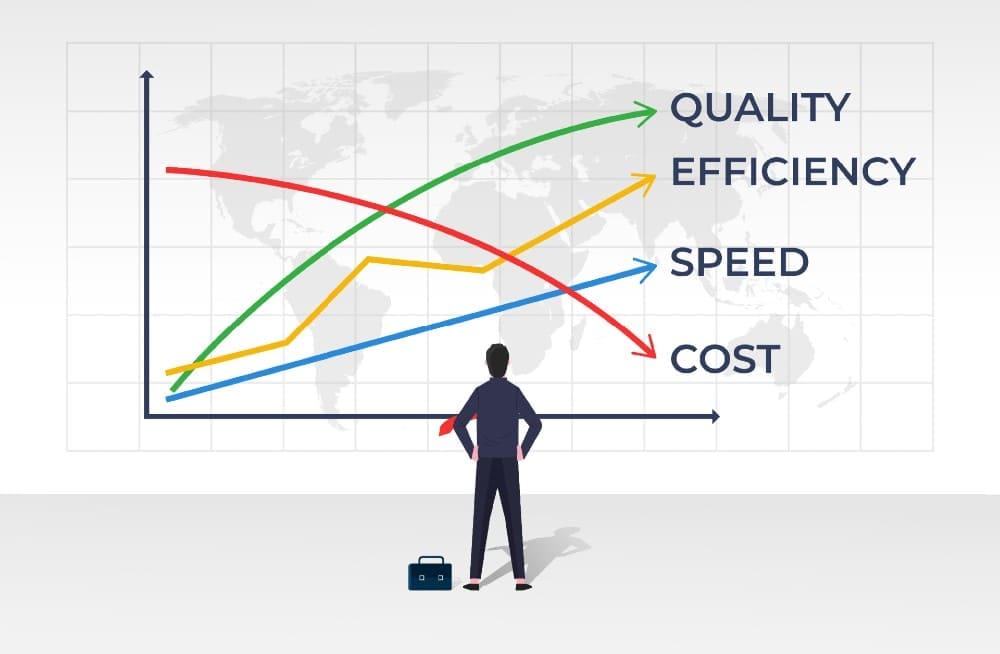
Evaluate everything from top to bottom to identify what can be improved, deleted, or added. Running a successful restaurant requires many characteristics, including the courage to chase the dream. And it is that courage that many times is necessary to convert your losing, break-even, or slightly profitable venue into a profitable one. If you have the courage for change — to realize profit improvement –, we’ll research, evaluate, and modify your:
- Cost-output ratios.
- Protocols — front-end and back-end staff.
- Labor cost improvement.
- Food and liquor cost improvement.
- Additional income through co-promotions.
- Visibility enhancement, both online and offline.
Why should I hire a Restaurant Consultant?
Firstly, a restaurant consultant provides a fresh pair of eyes to the situation. Moreover, a restaurant consultant who has dealt with 10s or 100s of restaurants has a depth of experience and insights you can tap into. Restaurant consultants are also often well-connected to many vendors they’ve evaluated time and again, choosing only the best to work with. From architects to contractors, designers, web development, marketing, and so many other services, you can save thousands of dollars simply by association with the consultant. But most importantly, a consultant has walked the road you’re on so many times that they’ve memorized where every pothole is and can help you navigate the most direct and efficient path possible.
They have next-level expertise across all phases, including tech, which I am seriously deficient in. They have my highest recommendation, and I will surely hire them again for my next restaurant opening.
- Anthony Defino, owner at Dumpling Dojo
Where can I find a good restaurant consultant?
The question is not so much about where you can find a restaurant turnaround consultant, but more specifically, where you can find an effective restaurant consultant. A2Z Restaurant Consulting has been serving restaurant owners officially since 2013, but as a freelancer, helped so many restaurants before that, which was a factor in Eddie expanding his efforts from a single freelancer to launching and building a well-staffed business.
HAVE QUESTIONS? ASK US | VIEW SERVICES | ABOUT US
For deeper consulting solutions beyond the setup and launch of a restaurant, visit A2Zbusiness.consulting
Click for digital marketing, and website development. or platform tools