
Turning a cluttered kitchen into a chef’s dream is about planning and organization. A disorganized kitchen slows down service and frustrates chefs. No restaurant can thrive in a space where tools pile up; ingredients disappear, and chaos rules. Efficiency drives profitability, and an organized kitchen transforms daily operations. Turning a cluttered kitchen into a chef’s dream requires a structured plan. The goal is a setup that helps staff move freely, access ingredients instantly, and clean up without delay. Any restaurant looking to improve its kitchen should consider expert strategies from restaurant consulting professionals to refine its layout and maximize efficiency.
What Are The Steps Required for Turning a Cluttered Kitchen into a Chef’s Dream?
If you want good workflow and organization, you need to put in the effort and set up an efficient kitchen.
What Design Challenges Need to Be Solved?
Before we dive into organizing techniques, it’s essential to identify the original stumbling blocks in this kitchen. The space lacked natural light due to the absence of windows in the central cabinetry zone, making the room feel boxed in. Bulky appliances—think commercial-grade blenders and heavy-duty mixers—had no designated home and often monopolized valuable countertop real estate.
Additionally, the kitchen needed to accommodate large family gatherings and frequent entertaining, which meant finding clever ways to integrate multiple comfortable seating areas without crowding the workspace. Lastly, the homeowners enjoyed collecting unique dishes and glassware, so the remodel needed creative display options that kept their cherished items both accessible and beautifully showcased, rather than hidden behind closed cabinet doors.
Key Features of a High-End Kitchen for the Passionate Cook
Designing the ideal kitchen for serious home chefs means blending functionality with livable luxury. The best spaces strike a balance between innovation, warmth, and organization—especially when the whole family is involved. If you’re dreaming of a high-end, family-friendly kitchen, here’s what to look for:
- Ample Storage and Accessibility: Oversized blenders, mixers, and specialty gadgets deserve dedicated homes. Look for deep drawers, spacious cabinets, and hidden appliance garages that keep everything within easy reach, but off the counter.
- Multiple Seating Areas: Entertaining and family gatherings flourish when there’s more than one spot to perch. Combining an island with seating, a dedicated breakfast nook, and a roomy kitchen table ensures everyone—from taste-testers to homework helpers—has a place.
- Strategic Use of Natural Light: Even in spaces with limited windows, clever design choices—such as positioning workspaces near existing light sources or using interior glass—brighten the kitchen and make it feel inviting.
- Chef-Level Appliance Suite: Replace clutter and chaos with an all-in-one cooking zone. Islands that pack in commercial-quality ranges, griddles, broilers, broiling salamanders, pot fillers, and even built-in chillers cut down on back-and-forth and streamline meal prep.
- Thoughtful Materials and Aesthetics: Blending stainless steel with painted and natural wood softens the industrial vibe, bringing a modern-meets-classic feel that suits both dinner parties and Tuesday night takeout.
- Display and Organization for Collectors: Open shelving or dedicated display cabinets let beautiful dishware and glass collections shine while keeping them easy to access.
- Smart Layout Planning: Placing functional elements—such as prep sinks, pantries, and storage—within the famed “work triangle” ensures flows stay smooth, even during the busiest meal rush.
Every detail —from statement ceiling treatments that draw the eye to simple solutions like accessible appliance garages —plays a role in supporting passionate cooks and lively family gatherings. A kitchen planned around these priorities sets the stage for a happier, more efficient, and deeply satisfying culinary experience.
Elements That Make the Biggest Impact in Kitchen Design
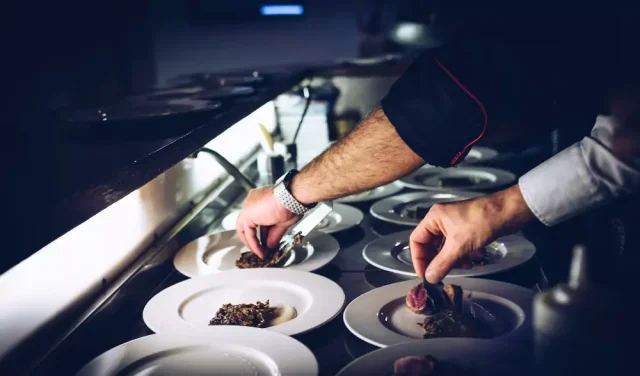
Some features stand out when transforming a crowded kitchen into a chef’s wonderland. The biggest game-changer? A multifunctional central island that brings everything together.
Picture this: stainless steel on every side for easy cleaning, work surfaces built to handle the busiest rush, and top-tier appliances right at your fingertips. Integrated equipment, such as double commercial ranges, a griddle for versatility, a high-powered broiler, and a salamander for quick finishing touches, allows chefs to work seamlessly. Add to that a deep sink, a convenient pot filler, and even a built-in ice bin right in the countertop, and you’re talking about actual efficiency.
By grouping core cooking, prepping, and cleaning zones into a single ergonomic hub, you keep traffic flowing, reduce unnecessary steps, and eliminate clutter. It not only makes life easier for your team but also helps ensure every service runs smoothly.
Prevent The Problem Before It Arises
Preventing chaos in a restaurant kitchen starts before the first dish gets plated. A well-planned layout saves time and reduces stress, but rushing the setup leads to clutter from day one. Working with professionals allows restaurant owners to focus on properly organizing their kitchen rather than scrambling to unpack. Pro Movers Miami offers restaurant moving, packing, and wrapping services to keep kitchen tools and other fragile items protected. Their storage solutions help owners declutter before setup, while junk removal prevents unnecessary items from taking up valuable space. Even moving insurance adds peace of mind, allowing chefs to focus on efficiency rather than logistics.
Identify Problem Areas
Every kitchen has trouble spots. Some kitchens have too many gadgets cluttering workstations. Others have overloaded pantries where expired products hide. Some rely on storage that forces chefs to dig through piles of ingredients to find one item.
First, look at these common issues:
- Overstuffed drawers: Too many tools crammed together slow down prep work.
- Crowded countertops: Work surfaces disappear under a pile of unnecessary equipment.
- Disorganized shelving: Randomly placed Ingredients create confusion during service.
- Hard-to-reach storage: Deep cabinets or high shelves make access difficult.
Every inefficiency in a kitchen affects service speed. A chef who spends extra seconds searching for a knife loses minutes by the end of the shift. Fixing these issues leads to a kitchen that works with, not against, its staff.
Declutter with Purpose
Clutter hides in plain sight. Extra utensils, broken appliances, and outdated ingredients fill every corner. The key to an efficient workspace is simplicity. Keep only what improves workflow. Sort everything into three categories: keep, donate, and discard.
A professional kitchen should feel streamlined, not overfilled. Less clutter means quicker movements, easier cleaning, and faster service. Any restaurant struggling with storage limitations should optimize back-of-house operations to make space work more efficiently without costly renovations.
Use Smart Storage Solutions for Every Kitchen Size
Space matters. Whether a kitchen has ample room or tight quarters, proper storage makes the difference between efficiency and frustration. Shelving, drawers, and containers should all work toward one goal: easy access.
Utilizing vertical space helps keep tools within reach; hanging racks or pegboards are ideal for pots, pans, and ladles. Drawer dividers keep utensils neatly organized, reducing the time wasted searching for the right tool. Stackable bins create designated sections for different ingredients, preventing unnecessary clutter. Storage should never feel like an obstacle. A chef should grab what they need in seconds without disturbing the station’s setup.
Tailor Storage for Workflow and Light
Think beyond just fitting everything in—design storage to support the kitchen’s workflow and atmosphere. For example, placing an island parallel to windows maximizes natural light and creates a welcoming centerpiece for both prep and seating. Consider adding appliance garages for bulky mixers or blenders, keeping heavy equipment accessible without crowding countertops.
Multiple seating or gathering areas—like a kitchen table, booth, or island stools—can help kitchens serve different functions at once, from family meals to casual chats with guests. Creating designated zones for prep, storage, and relaxation allows every square foot to work harder.
Every kitchen needs efficient storage that feels intentional, not improvised. With a thoughtful layout and innovative solutions, even the smallest space can feel open, organized, and ready for anything.
 Every kitchen needs efficient storage
Smart Storage for Large Kitchen Appliances
Large blenders, food processors, and stand mixers often hog precious counter space or end up tucked away in hard-to-reach cabinets—neither option is ideal during a dinner rush. Efficient kitchens give these bulky workhorses custom homes that keep them accessible, yet out of the way.
Some chef-approved solutions include:
- Appliance Garages: Install dedicated cabinets with roll-up doors on your countertop or beneath upper cabinets. These “garages” hide large appliances but allow for quick access when it’s time to blend, chop, or mix.
- Pull-Out Shelves: Outfitting lower cabinets with sturdy, pull-out trays (think Rev-A-Shelf or IKEA UTRUSTA) means heavy mixers slide out smoothly instead of being awkwardly lifted—no more digging to the back for seldom-used gadgets.
- Deep Drawers: Upgrade drawers with reinforced bases and removable dividers, turning them into the perfect nest for hefty tools. It keeps surfaces clutter-free while keeping essentials close at hand.
- Vertical Storage Nooks: Fit spare pantry corners or tall cabinets with vertical dividers—perfect for stashing mixer bowls, blender pitchers, and large attachments, keeping them upright and organized.
Design your storage so you can lift, use, and clean up without missing a beat. Even the largest appliances shouldn’t slow down kitchen flow.
Design a Chef-Inspired Work Triangle
Kitchen flow makes or breaks service speed. Turning a cluttered kitchen into a chef’s dream means setting up an efficient work triangle. The stove, sink, and prep area should connect seamlessly. If a chef moves awkwardly between these zones, service slows down.
Arrange the layout with precision. Keep prep tools close to chopping stations—place ingredients within arm’s reach of cooking areas. Ensure dishwashing stations do not interfere with plating. An innovative layout means smoother operations, fewer mistakes, and quicker service.
Blending Industrial-Grade Appliances Seamlessly
Industrial-grade appliances bring power and precision, but without careful planning, they can easily overpower a home kitchen with a cold, commercial vibe. The key is to balance function with inviting design choices that soften the overall atmosphere.
Start by selecting appliances finished in stainless steel for durability, but don’t stop there. Frame ovens or refrigerators with warm woods—think walnut cabinetry or painted wood panels—to create contrast and visual warmth. Incorporate matte black or brushed brass hardware for a subtle touch of elegance, avoiding a purely utilitarian look.
Consider overlaying major appliances, such as dishwashers or refrigerators, with cabinet panels to blend them into the existing millwork. For a cohesive space, mix counters in natural stone or butcher block alongside your stainless steel appliances—layer in open shelving with neatly stacked dishes or cookbooks to help the kitchen feel lived-in and welcoming.
Strategic lighting can also make a world of difference. Swap out harsh fluorescent bulbs for dimmable LEDs or pendant lights with soft-toned shades. It helps highlight both the industrial edge and the homey details, letting the kitchen feel custom—not clinical.
Thoughtful material combinations, layered textures, and personal touches ensure high-performance kitchen tools serve the home cook without sacrificing warmth or style.
Blending Classic and Contemporary: Examples of Transitional Kitchen Design
Some of the most inspiring kitchens strike a balance between timeless appeal and modern convenience. Transitional kitchen design is all about combining the warmth of traditional elements with the sleek lines of contemporary style. For example:
- Pairing stainless steel appliances with painted wood cabinets and walnut butcher block countertops can instantly create visual harmony. The result is a workspace that feels current, yet still inviting.
- Incorporating classic subway tiles alongside minimalist fixtures—like matte black or brushed-nickel pulls—keeps the look clean yet characterful.
- Open shelving in a natural finish, next to high-gloss cabinetry, offers both display and function, blending old-world charm with modern sensibility.
- Mixing vintage light fixtures, like schoolhouse pendants, with streamlined quartz countertops achieves that coveted chef-friendly yet stylish environment.
When traditional details—such as crown molding or glass-fronted cabinets—stand alongside modern touches, you foster a kitchen that feels both efficient and welcoming. This approach not only elevates the look but also improves daily functionality, lining up perfectly with the goals of any chef-driven restaurant kitchen upgrade.
Create Flexible Dining Spaces for Large Families
Big gatherings call for more than just one table. In kitchens built for entertaining, integrating multiple seating zones gives families—and their guests—room to dine, chat, and unwind together without bumping elbows. The key is to build in variety without crowding the workspace.
Start with a kitchen island that does double duty. Islands can anchor food prep and double as a casual breakfast nook or tasting bar. Add a few stools and it becomes the perfect spot for kids’ homework or morning coffee.
Next, carve out a dedicated kitchen table near a window or an open space. It invites everyone to linger over meals, play board games, or host a weekend brunch. For extra comfort, consider a built-in banquette or booth seating tucked against a wall. Booths maximize seating within tight corners—and kids love them.
If your kitchen flows into another room, extend seating by connecting it to a dining area—layer in comfy chairs and benches to keep things flexible. Don’t forget display shelving or glass-front cabinets nearby to show off special dishes and stemware, making entertaining effortless.
The result? A kitchen that easily morphs from family hub to party central, no matter how many people you’re feeding.
Maximize Pantry Space for Efficiency
Storage problems slow down service and increase waste. A well-organized pantry ensures ingredients stay within reach, improving efficiency during peak hours. Restaurant renovations offer the perfect opportunity to upgrade pantry storage and streamline inventory.
Redesigning shelving helps maximize space. Installing deep, adjustable shelves allows bulk ingredients, canned goods, and spices to fit seamlessly. A tiered system prevents products from getting lost in the back. Clear containers and proper labeling ensure quick identification, cutting down the time spent searching.
Rotating stock regularly prevents expired ingredients from piling up. Adding lazy Susans for oils and sauces keeps frequently used items accessible. A thoughtful renovation transforms a cluttered pantry into a highly functional space, ensuring the kitchen runs smoothly every shift.
The Power of a Well-Organized Fridge and Freezer
Temperature zones matter. A disorganized fridge leads to spoilage and cross-contamination. Every ingredient should have a designated place.
- Dairy and eggs: Keep on the middle shelves where the temperature remains stable.
- Raw meats: Store on the lowest shelf to prevent drips onto other items.
- Produce: Separate fruits and vegetables to preserve freshness.
- Clear bins help categorize smaller items. Efficiency in cold storage prevents costly waste, improves food safety, and makes ingredient access easier during peak hours.
Use Essential Kitchen Tools for a Functional Cooking Space
A chef’s tools define their workflow. Too many gadgets crowd the space. A well-equipped kitchen prioritizes quality over quantity.
Knives should stay sharp and within easy reach. Cutting boards should have a dedicated space. Pots and pans should hang above the cooking area. Turning a cluttered kitchen into a chef’s dream requires selecting multi-use tools that save space. Every item should have a function, or it does not belong.
Try To Maintain Your Organized Kitchen
A one-time cleanup does not solve clutter issues. A kitchen stays efficient with consistent habits—train staff to return tools to designated spots. Wipe down surfaces at the end of every shift. Regular deep cleans prevent buildup and maintain order. A clear system ensures every chef finds what they need when they need it. Set a rule for new purchases. Every new tool must replace an old one. Turning a cluttered kitchen into a chef’s dream means staying intentional with every addition.
Enjoy The Efficiency Of Your New Kitchen Layout!
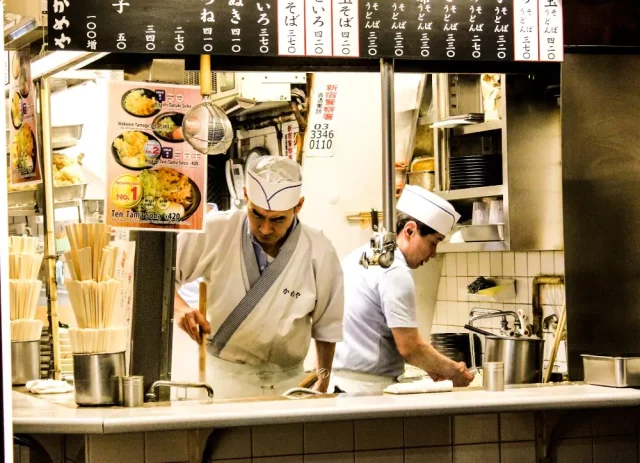
An organized kitchen improves speed, safety, and quality. Every restaurant benefits from turning a cluttered kitchen into a chef’s dream. A chef should move freely, grab tools quickly, and prep meals without distractions. Identify clutter, remove unnecessary items, and create a system that works. A well-planned kitchen transforms daily operations and enhances productivity. The right strategy ensures success in every service.
HAVE QUESTIONS? ASK US | VIEW SERVICES | ABOUT US
For deeper consulting solutions beyond the setup and launch of a restaurant, visit A2Zbusiness.consulting.
Click for digital marketing, website development, or platform tools
Photos used: Photo 1, photo 2, photo 3, photo 4