In a fast-paced industry like restaurants, the benefits of restaurant technology solutions begin with cutting costs and boosting productivity to stay competitive. The benefits of incorporating technology into your restaurant are endless—from streamlining operations and improving customer service to managing inventory and planning and implementing a restaurant marketing strategy. In this blog post, we’ll dive into our research of the best new technology solutions for restaurants, including new tools we discovered at the Restaurant and Lodging Show in Orlando (November 2023).
Introduction: The Role of Restaurant Technology Solutions
Overview
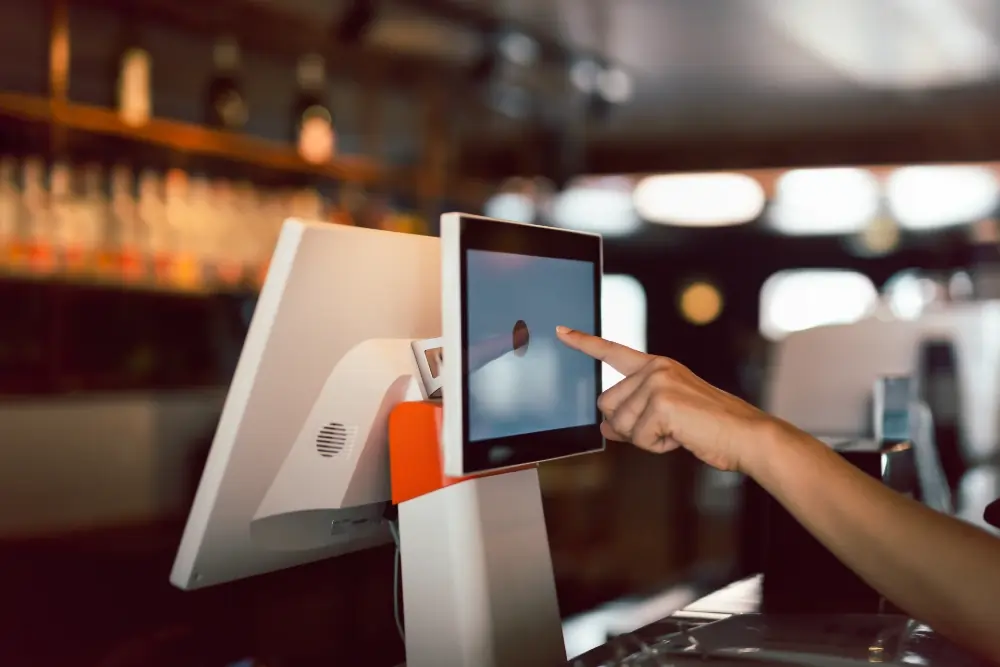
In today’s fast-paced and competitive restaurant industry, technology plays a crucial role in helping businesses cut costs, boost productivity, improve customer service, and meet compliance obligations. Evaluate it as part of your restaurant marketing strategy.
With online reservation systems and mobile ordering apps, customers can now easily make reservations or place orders without waiting on hold or standing in long lines. It not only improves the overall dining experience for customers but also frees up staff members’ time to focus on other tasks.
Another significant advantage of using technology in restaurants is cost reduction. By implementing digital menus and self-ordering kiosks, businesses can save on printing costs while providing a more interactive menu experience for customers. Additionally, cloud-based software solutions eliminate the need for expensive hardware installations and maintenance fees.
Furthermore, technology has enabled restaurants to gather valuable data on customers’ preferences and behavior. Through loyalty programs and online reviews, businesses can gain insights into which dishes are popular among their customers and which areas they need to improve. Restaurateurs can then use this information to tailor marketing strategies and improve overall customer satisfaction.
The use of technology has made it easier for restaurants to comply with health regulations, food safety standards, and other compliance issues, such as ADA. Digital temperature monitoring systems ensure food is stored at the proper temperature at all times, reducing spoilage and contamination-related food waste. Moreover, automated kitchen equipment helps maintain consistent cooking temperatures and timing for each dish.
Technology has undoubtedly played a significant role in transforming the restaurant industry. In the following sections, we will delve deeper into specific technology solutions that can benefit restaurants of all sizes and types.
Benefits of Implementing Restaurant Technology Solutions
Here are some key benefits of embracing technology solutions in your restaurant.
- Increased Efficiency
One of the most significant benefits of technology solutions in restaurants is increased efficiency. With automated systems such as point-of-sale (POS) systems, online ordering platforms, and inventory management software, management can now complete time-consuming tasks quickly and accurately. It not only saves staff time but also allows them to focus on other essential aspects of running a successful restaurant.
- Cost Savings
Implementing technology solutions can also lead to cost savings for restaurants. By automating specific processes and reducing manual labor, restaurants can significantly reduce labor costs. Additionally, using inventory management software can help prevent food waste by efficiently tracking inventory levels and minimizing overstocking or understocking items. It translates into significant cost savings for your business.
- Improved Customer Experience
In today’s digital age, customers expect a seamless experience from start to finish when dining out. Technology solutions like online reservation platforms and mobile ordering options make it easier for customers to interact with your business even before they set foot inside your establishment. And innovations allowing in-restaurant ordering from the table, and/or paying the bill — are now available in mobile apps (see below). Not only does this improve customer satisfaction, but it also leads to repeat business.
- Real-Time Data Insights
Another benefit of implementing technology solutions in restaurants is access to real-time data insights about your business operations. POS systems can provide detailed reports on sales trends, popular menu items, and customer preferences (such as peak sales times and response to promotions), which can help inform decision-making for future menu changes or promotional offers.
5 . Streamlined Communication
Communication is crucial in any restaurant setting – whether it’s between front-of-house staff or between kitchen staff and servers. Technology solutions, such as kitchen display systems, enable streamlined communication across departments, reducing errors and improving overall efficiency.
Implementing technology solutions in restaurants can bring numerous benefits, such as increased efficiency, cost savings, improved customer experience, access to real-time data insights, and streamlined communication. By embracing these solutions, restaurants can stay ahead of the competition and continue to thrive in a rapidly evolving industry.
– Cost Savings
One of the biggest challenges facing restaurant owners and managers is finding ways to cut costs without sacrificing quality. With rising food and labor costs, it can be challenging to maintain a profitable business while also meeting customer demands. This is where technology solutions come in – they not only help boost productivity but also offer significant cost savings that can make a big impact on a restaurant’s bottom line.
Firstly, implementing technology solutions such as point-of-sale (POS) systems and inventory management software has become a standard operating procedure and adoption for any restaurant or bar. So let’s look at some new solutions recently introduced into the market.
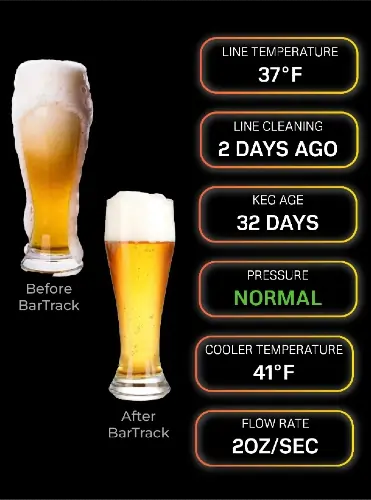 If you own a bar or restaurant that serves drinks on-tap, we discovered a sensor system that physically mounts to the existing or new draft system and integrates through API to the POS System. By monitoring each pour’s quantity and quality, BarTrack will provide detailed data and analytics on all of your draft beverages. You will drastically reduce waste, like foam, theft, and overpours.
- Offer pour-by-pour analysis on every oz moving through the draft lines through POS integration
- Real-time temperature and pressure alerts to help identify when your draft system is out of balance
- Automated variance reports that will categorize loss according to its exact causes. 10 to 15% increase in each keg’s efficiency and a FULL return on investment within 30 to 90 days
- Hands-on consulting from industry professionals
- This is NOT a turbine flow meter.
Another way technology solutions can save money is by automating tasks that would otherwise require additional staff or time. For example, tableside ordering tablets allow servers to take orders directly from customers’ tables instead of writing them down and then entering them into the POS system later on. Not only does this increase efficiency and improve accuracy, but it also frees up staff members to focus on other tasks such as providing better customer service. Now there are new platforms and mobile apps that further expand efficiency and customer satisfaction by allowing customers to communicate with the kitchen and POS directly.(Book a video call for more info or demo).
There is a new platform we discovered at the Orlando Restaurant and Lodging Show
It allows restaurant customers to communicate with the kitchen, not to replace servers, but to supplement them. Customers can order when the waitstaff is not available; staff can manage, payment via the app, and receipts printed by the restaurant.
It provides
 Fast-loading QR code menus are instantly responsive, intuitively organized, and 100% completely branded to your concept.
- Not only can guests order food and drinks, but they can also call for service. Most guests can complete an order in under 3 minutes.
- Remain in full control of your dining room with the essential controls provided right in the staff app. Manage critical aspects of the menu in real time by those who know; your front-of-house staff.
- Critical to providing Augmented Full Service – is knowing which tables are NOT logging in to self-serve, so you can visit those specific tables and take their orders.
 Sell out of any item in 3 taps. All guests’ menus are updated in real-time, even if they are trying to check out. You can also set a quantity on hand and it will auto-sell out for you.
- If your kitchen availability is variable, you can control when whole sections of the menu are live. Extend scheduled content or stop it early for that day.
- Hands-free operation is critical to assisting your staff in busy times; it automatically prints orders placed by your customers without needing staff to interact with the tablet to moderate each order.
- No setup fees, or long-term contracts. (Book a video call for more info or demo)
Flexible Payment Options and Pay-As-You-Go Plans
When it comes to investing in restaurant technology, payment structures need to fit your operations—not the other way around. Modern providers understand this and offer a variety of ways to pay for their systems, designed for predictability and ease.
- Pay-As-You-Go (PAYG): This increasingly popular model lets you pay only for what you use. Rather than locking you into lengthy contracts or hefty up-front investments, you’re billed monthly based on the features and service levels you actually need. As seasonal trends and business needs change, so can your tech expenditures.
- Subscription Plans: For those who prefer stable, predictable costs, traditional monthly or annual subscriptions are available. These plans often cover ongoing updates, support, and access to the latest features.
- Hybrid Models: Some solutions blend PAYG with subscriptions—so you can set a baseline of required services, adding or scaling back as needed.
This flexibility makes budgeting a breeze, especially for restaurants that experience fluctuations, pop-up concepts, or multi-unit operations testing new sites. It’s all about giving you the control to adapt, without getting stuck in a payment rut.
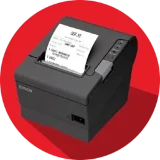 Moreover, technology solutions like online reservation systems can help restaurants optimize their seating arrangements by predicting busy times based on past data. This allows managers to adjust staffing levels accordingly, avoiding overstaffing during slow periods and understaffing during peak hours. By accurately forecasting demand and scheduling staff accordingly, restaurants can save money on labor costs without compromising service quality.
There are many technology tools when marketing for restaurants.
Promotional costs can be expensive, especially when third-party discount offer sites take large percentages of the offer, and many of the customers they attract redeem the offers but then never return. This can be for many reasons, one of which is that it is not geographically feasible to travel to your venue without a huge discount incentive. Moreover, most discount offer sites show your discount 24/7 for the length of the promotional term.
Dinevite is a new concept in restaurant promotion that helps restaurants fill empty seats during slow times and gives control back to the restaurant owner.

You can make public or one-on-one private offers — and turn them on or off minute-by-minute based on your crowd size. It allows customers to make VIP requests that only you and they can see. Best of all, the first 3 months are free, and only a monthly subscription fee ($39) charged thereafter. For more information, to read, watch a video, or request a demo, CLICK HERE. To watch video tutorials, check out their YouTube channel.
Technology solutions offer numerous cost-saving benefits for restaurants. By reducing errors, automating tasks, optimizing staffing levels, and increasing sales opportunities, these solutions can significantly improve a restaurant’s financial performance. By investing in the right technology solutions, restaurant owners and managers can cut costs while also boosting productivity and improving overall operations.
– Increased Efficiency and Productivity
The use of technology in restaurants has increased significantly over the years, and for good reason. These solutions not only help in cutting costs but also play a vital role in boosting efficiency and productivity.
One significant benefit of using technology solutions is automation. With software such as point-of-sale (POS) systems, staff can take orders quickly and accurately without relying on handwritten notes or paper tickets. Automation reduces the chances of errors and delays, leading to faster service and happier customers.
Another area where technology is beneficial is inventory management. Keeping track of stock levels manually can be time-consuming and prone to human error. However, with inventory management software, restaurant owners can easily monitor their stock levels, set automatic reorder triggers, and avoid waste from overstocking or spoilage.
Moreover, these solutions offer real-time analytics that provide valuable insights into sales trends, popular menu items, peak hours, and more. Restaurant managers can then use this information to make data-driven decisions regarding staffing schedules and menu offerings. By accurately understanding customer preferences and demands through analytics tools, restaurants can optimize their operations accordingly.
Technology also plays a significant role in improving communication within the restaurant team. Communication apps like Slack or WhatsApp allow all staff members to stay connected throughout the day without disrupting regular workflows. Using such technology platforms helps in addressing issues quickly while avoiding confusion or miscommunication among team members.
Furthermore, technology solutions streamline administrative tasks such as scheduling shifts for employees and managing payroll. These tasks are done quickly and accurately, thereby avoiding manual implementation, which is time-consuming and prone to error.
Incorporating technology solutions in restaurants not only helps cut costs but also increases efficiency and productivity. By automating processes, providing real-time insights, improving communication, and streamlining administrative tasks, technology enables restaurant owners to focus on delivering quality food and service to their customers.
Restaurant marketing includes many strategies and tactics. They include, but are not limited to, Content management, social Media promotion, and SEO (search engine optimization) at a minimum. You can use AI tools to automate many processes. Other tools, such as Enclincher or Powerlistings, are great for scheduling and managing social media content sharing. To create content for your website, use the Copymatic AI content generator.
– Improved Customer Experience
With the rise of digitalization, restaurants are leveraging technology solutions to enhance operations and deliver a better customer experience.

Online ordering, reservations, and synced directories—offering online menus, hours, directions, and images synced across 77 directories from a single dashboard —and POS (Point of Purchase Systems) have become commonplace for restaurants, enhancing the customer service experience. By digitizing activities, restaurant owners can better analyze customer behavior to plan and adjust services accordingly.
The newer technology innovations include those mentioned before (Dinevite promotions and on-tap management system) and self-service kiosks (table-side tablets or mobile apps) for placing orders, supplementing wait staff activities, auto-checkout, bill payments, and more. These options provide customers with more control over their dining experience by eliminating long wait times for servers or cashiers. It also allows them to customize their orders without any language barriers or miscommunications.
Additionally, some restaurants have implemented loyalty programs through mobile apps or QR codes that offer rewards for frequent visits or referrals. Along with promoting customer retention, these loyalty programs also gather valuable information about consumer behavior, which helps in crafting personalized experiences for each diner.

An overlooked area of technology (by restaurant owners) is compliance with the ADA (Americans with Disabilities Act), which mandates that if your restaurant (or bar) has a website, that website is considered a “location”. As such, just as a restaurant has to make its physical venue accessible to people with disabilities (for example, ramps to the entrance or enlarged bathrooms to accommodate wheelchairs), websites too have to be accessible to people with disabilities. It includes the hearing and seeing impaired, those with ADHD, seizure-prone, and cognitive deterioration. Failure to comply with ADA requirements exposes venues to lawsuits. To mitigate legal exposure, I2WEBSERVICES offers an AI-driven widget that keeps your website in compliance 24/7, regardless of any updates or changes you make. You can learn more about ADA compliance and the features of the tool here on their site (you can see it in action by clicking the green disability icon)on the lower left side of the website.
It is also essential to ensure that visitors to your website understand your Terms of Service and privacy policies. If you’re so inclined, you may also want to provide insights into Refunds, Rebates, and other policies. Here is a simple tool that will generate the policies you want based on a short questionnaire.
Technology solutions have also made it easier for restaurants to cater to special dietary restrictions and allergies. With advanced POS systems, servers can quickly access allergen information and make recommendations or adjustments to menu items for customers with specific nutritional needs.
The implementation of technology solutions in restaurants has dramatically enhanced the customer experience. From convenience to personalization and efficiency, these solutions have transformed the way restaurants operate and interact with their customers. As technology continues to evolve, we can expect even more innovations that will further improve the dining experience for customers.
Common Technology Solutions Used in Restaurants
When it comes to running a successful restaurant, technology solutions have become an essential tool for cutting costs and boosting productivity. With advances in technology, restaurants now have access to a variety of software and systems that can streamline operations, reduce labor costs, and improve overall efficiency. The following are insights into some standard technology solutions used in restaurants.

1. Point-of-Sale (POS) Systems:
A point-of-sale system is software that allows restaurants to process transactions, manage inventory, track sales data, and analyze customer behavior. These systems eliminate the need for manual cash registers and paper-based order-taking systems. POS systems not only save time but also reduce human errors in order processing. Additionally, they provide real-time reporting on sales data which helps in making informed decisions about menu items and pricing.
What Makes a Leader in POS Software?
Selecting the top point-of-sale (POS) software for restaurants—whether full-service or quick service—goes well beyond glossy marketing. Industry analysts like IDC typically evaluate vendors using a comprehensive set of criteria, aiming to separate true innovators from the crowd.
Some of the main factors considered when ranking POS software include:
- Ease of Use: An intuitive interface reduces training time for staff and minimizes errors during busy service hours.
- Feature Set: Leaders offer robust features, from tableside ordering and payment processing to loyalty programs and advanced analytics.
- Scalability and Flexibility: A top POS system should scale effortlessly as your restaurant grows, whether you’re a single-location bistro or a nationwide chain.
- Integration Capabilities: Seamless compatibility with other systems (such as online ordering platforms, accounting tools, and inventory management) is essential.
- Reliability and Security: High marks are given to vendors with proven uptime, strong data protection, and PCI compliance.
- Customer Support and Training: Leading providers stand out for responsive support teams and comprehensive onboarding materials.
- Innovation and Cloud-Readiness: Cloud-based solutions with mobile support and regular updates often outrank legacy systems.
Reputable POS vendors meeting these standards often find themselves placed at the top of industry assessments, praised for their all-in-one solutions that help restaurants streamline daily operations, enhance guest experiences, and make better decisions with real-time data.
2. Online Ordering Systems:
In today’s fast-paced world, customers expect convenience when it comes to ordering food from their favorite restaurants. Online ordering systems allow customers to place orders directly through the restaurant’s website or mobile app without having to physically visit the establishment or call for delivery. This not only saves time but also improves accuracy in order-taking and reduces labor costs by eliminating the need for phone operators.
3. Restaurant Hardware Integration:
Modern restaurants rely on more than just software—specialized hardware like kitchen display systems, self-service kiosks, digital menu boards, and handheld ordering devices all work together to streamline operations. Integrating these devices with your POS and ordering systems speeds up service and ensures orders are accurate from the front of house to the kitchen.
4. Financial Management Tools:
Robust financial management tools help restaurants keep a sharp eye on costs and revenue. Features like automated invoicing, expense tracking, and real-time financial dashboards help managers stay on budget and make informed decisions that protect the bottom line.
5. Supply Chain Management:
Effective supply chain management software tracks inventory levels, automates supplier orders, and manages deliveries to ensure ingredients and supplies are always available—without overstocking or running out. This minimizes waste and helps maintain consistent menu quality.
6. Human Capital Management:
Scheduling staff, tracking hours, managing payroll, and communicating with the team are all made easier with human capital management systems. They reduce administrative headaches and help ensure labor compliance while keeping your employees engaged.
7. Marketing and Loyalty Programs:
Integrated marketing tools and loyalty programs allow restaurants to build lasting relationships with their guests. Personalized email campaigns, mobile app promotions, and rewards for repeat customers not only increase return visits but also help collect valuable data about customer preferences.
8. Enhanced Guest and Stadium Experiences:
For larger venues and stadiums, specialized software and hardware can handle high-volume, high-speed transactions, streamline concessions, and create seamless guest experiences even in the busiest environments.
9. Cloud Infrastructure:
Leveraging cloud-based solutions means that data, operations, and analytics can be accessed from anywhere, any time. This flexibility is essential for multi-location restaurants or those looking to scale quickly, as it reduces IT overhead and ensures updates happen in real time.
By aligning your guest experiences with back-of-house operations through these integrated technologies, you can deliver faster service, increase accuracy, and provide the kind of seamless dining experience that keeps customers coming back.
10. Promotion and Marketing Tools:
There are many promotion and marketing tools. Marketing for restaurants consists of telling a compelling story, everything else (that people attribute to marketing) are the assets and strategies of how to tell the story — through the website, social media, and newsletters. ads, and SEO — and how to track the metrics. All of these components and elements should be including in your restaurant marketing strategy. You can find do-it-yourself-tools HERE, Dinevite, or contact our marketing agency to explore other marketing options.
These are just some of the common technology solutions used in restaurants that have proven to be effective in cutting costs and boosting productivity. By adopting these technologies, restaurants can streamline operations, reduce manual workloads for employees, improve efficiency, and ultimately drive profitability.
– Simplifying Menu and Ingredient Management
One of the biggest challenges in the restaurant industry is managing menus and ingredients effectively. With constantly changing customer preferences and ingredient availability, it can be overwhelming for restaurants to keep track of their menu offerings and ingredient inventory. It is where technology solutions come into play, simplifying the menu and ingredient management for restaurants.
Firstly, technology solutions offer a centralized platform for menu and ingredient management. In traditional systems, different departments such as the kitchen, front-of-house staff, and management may have separate records of menus and ingredients. This can lead to confusion and errors in communication. However, with a centralized system, everyone has access to the same up-to-date information, ensuring consistency across all aspects of menu and ingredient management.
There are three primary places where you will load your menu items:
- POS (Point of Purchase System) contains your menu items.
- Any online delivery platform (i.e., DoorDash, Uber Eats, Grubhub, etc).
- Powerlistings Directories
Moreover, these systems also allow for easy customization of menus based on customer feedback and market trends. With just a few clicks, restaurants can update their menus to reflect seasonal changes or introduce new items. This eliminates the need for printing new menus every time there is a change, saving both time and money.
In terms of ingredient management, technology solutions offer real-time tracking capabilities. Restaurant managers can easily monitor inventory levels and receive notifications when certain ingredients are running low. It not only helps avoid last-minute trips to the grocery store but also prevents waste by enabling more accurate ordering based on demand.
Another benefit is cost savings through improved inventory control. By having an accurate record of the ingredients used in each dish, restaurants can identify which items are selling well and which ones are costing them more than they should. It allows them to make informed decisions about adjusting portion sizes or substituting expensive ingredients with more cost-effective alternatives.
Getting Started with Restaurant Technology Solutions
How do you actually take the first step toward implementing new technology solutions in your restaurant? Thankfully, you’ve got options—none of which require a computer science degree or sacrificing your last good chef’s knife.
Connect with Industry Experts
If you’re not sure where to start, talking to someone who has been through the tech maze can make all the difference. Many restaurant technology providers (think Toast, Lightspeed, or Upserve) offer free consultations or discovery calls. These experts can help you assess your unique needs, recommend the right systems, and even outline a step-by-step roadmap—minus the tech jargon.
Try Before You Buy
Don’t commit unquestioningly. Schedule a live demo with the provider to see how the system works in real restaurant scenarios. Most reputable vendors are happy to provide a guided walkthrough using your menu or inventory, so you can visualize how solutions like POS systems or inventory management will fit into your existing workflow. Platforms like TouchBistro and Square, for example, offer no-strings-attached demos to walk you through their features.
Become Part of an Online Community
Once you’ve dipped your toes in, consider joining online groups or forums where restaurateurs trade stories and advice on tech tools. Facebook groups, Reddit communities like r/restaurant, and membership networks through organizations like the National Restaurant Association or local hospitality alliances can be goldmines for peer insights. If you need a nudge in the right direction or want the latest scoop on a tool, these groups are where to find real-world advice.
How to Take Action
- Reach out to reputable technology providers and schedule a chat.
- Book a demo to see how your menu and operations fit within the solution.
- Find an online community to support your learning and stay up to date.
- Start with one technology (like online ordering or inventory management) and expand as you go.
By starting small and leaning on expert guidance, you’ll discover how easy—and even fun—it can be to modernize your restaurant operations.
More Insights & Services
- Services & Process
- Concept to Launch
- Build a Cohesive Brand
- HR, Operations, Compliance
- Digital Marketing
No matter your goals—whether you’re aiming to reduce costs, boost revenue, improve team performance, or elevate the overall guest experience—our seasoned consultants are here to help make it happen. We bring deep industry expertise and a full suite of resources to restaurants of all sizes, guiding you from initial concept to a thriving, well-branded business.
From streamlining back-of-house operations and navigating compliance to launching a standout digital presence, our mission is your restaurant’s lasting success. We pride ourselves on delivering business-driven results, innovative strategies, and ongoing support to help you unlock your restaurant’s full potential.
Ready to take your business to the next level? Explore our services or get in touch to find out how we can support your vision.
Conclusions
The restaurant industry has gone through accelerated evolution throughout the past two decades. Desktop computing software was replaced with Cloud Computing with the rise of the Internet. Next came SaaS (software as a service) subscription services, and most recently, the rise of AI (artificial intelligence). AI can be used for many things, including content generation. Here are 5 ways AI is transforming the future.
On-Demand Webinars and Industry Resources
If you’re looking to dive deeper into strategies for driving restaurant profitability and enhancing guest experiences, a variety of on-demand webinars and resources are available at your fingertips.
Webinars for Ambitious Restaurateurs:
Websites like Restaurant365 (https://www.restaurant365.com/resources/on-demand-webinars/) and Toast’s Resource Hub (https://pos.toasttab.com/resources/webinars) host a library of on-demand sessions. These webinars tackle everything from streamlining operations and maximizing FOH and BOH efficiency to leveraging guest data for improved marketing. Experts share actionable tips you can implement right away, along with insights on adapting to current challenges.
Stay Informed with Industry Insights:
Platforms such as Modern Restaurant Management (https://modernrestaurantmanagement.com/webinars/) and Restaurant Business Online (https://www.restaurantbusinessonline.com/resources/webinars) regularly publish articles and case studies on recent food and beverage technology, best practices, and emerging trends. These resources can keep you ahead of the curve by highlighting real-world solutions for common industry pain points.
Connect and Collaborate:
If networking is your thing, online communities like RestoHub (https://restohub.org/) and the National Restaurant Association’s forums (https://restaurant.org/education-events/webinars/) offer a space to collaborate, share insights, and tackle operational hurdles with peers across the industry.
These resources help your restaurant thrive in a competitive landscape, whether you’re interested in step-by-step guidance, market trends, or connecting with like-minded professionals.
Sign up for Updates
If you’re a restaurant, bar, or pub owner, sign up for the latest updates, industry trends, and articles of interest.
Insights & Industry Trends
Stay ahead of the curve with in-depth articles exploring the latest food and beverage technology, operational strategies, and business solutions. Whether you’re curious about emerging restaurant tech, shifting consumer preferences, or best practices for thriving in a competitive market, our curated insights deliver practical knowledge tailored for industry professionals.
Explore topics such as:
- Innovations shaping the future of foodservice
- Proven strategies for optimizing restaurant operations
- The latest trends in hospitality and guest experience
- Real-world examples from top-performing restaurants
Let these updates keep you inspired, informed, and ready for what’s next in hospitality.
HAVE QUESTIONS? ASK US | VIEW SERVICES | ABOUT US
For deeper consulting solutions beyond the setup and launch of a restaurant, visit A2Zbusiness.consulting
Click for digital marketing and website development. or platform tools
Become an expert in marketing your business
Advanced Marketing Techniques | Learn Digital Marketing Online | Breaking Boundaries