
Opening or running a restaurant is one of the most creative yet demanding business ventures you can pursue. Beyond the flavors, ambiance, and service, there is a quieter force shaping customer decisions every single day: pricing psychology. How prices are presented, perceived, and processed by the human brain can influence what guests order, how much they spend, and whether they return. Understanding this balance between emotion and logic is what turns pricing into both an art and a science. Restaurant pricing psychology is not about tricking customers or hiding costs. At its best, it is about aligning value, experience, and profitability in a way that feels fair, thoughtful, and intuitive. When done well, pricing supports trust, reinforces brand identity, and helps guests feel comfortable spending money in your establishment.
Understanding the Emotional Side of Restaurant Pricing Psychology
Food is deeply emotional. People associate meals with comfort, celebration, nostalgia, and connection. When guests sit down at a restaurant, they are already emotional, and pricing interacts with that mindset in subtle ways. Prices that feel abrupt or confusing can break the emotional flow of the dining experience.
On the other hand, prices that feel intentional and well-placed help guests relax and focus on enjoyment rather than calculation. This emotional response is why two restaurants can serve similar dishes at different price points and still attract loyal customers.
Successful restaurant pricing psychology recognizes that guests are not just paying for ingredients. They are paying for atmosphere, service, convenience, and how the experience makes them feel, so every little detail matters, from interior design to silverware.
The Science Behind Price Perception
While emotion plays a major role, there is also a scientific foundation to how people interpret prices. The brain processes numbers quickly but not always rationally. Small details in a presentation can change perception without changing the actual value.
The way prices are written, where they appear on the menu, and how they relate to surrounding items all influence decision-making. This is why pricing psychology is studied across industries, but it is especially powerful in restaurants where choices are made quickly and often impulsively.
Understanding this science allows restaurant owners to design menus that guide decisions naturally rather than forcing them.
Every restaurant has a personality, whether intentional or not. Pricing should reinforcethat identity rather than contradict it. A casual neighborhood spot and a fine dining establishment may serve similar ingredients, but their pricing tells very different stories.
When prices align with décor, service style, and overall tone, guests feel a sense of coherence. When pricing feels out of place, it creates confusion. This is why pricing decisions should always be made in the context of the brand, not in isolation.
Restaurants that grow or evolve often revisit pricing as part of broader changes,especially during moments like expansion or planning your relocation to a new city, where market expectations may differ. In these situations, pricing psychology helps businesses adapt while maintaining their core identity.
Why Menu Design Matters More Than You Think
A menu is not just a list of dishes. It is a communication tool that shapes expectations before a single bite is taken. The structure, spacing, and flow of the menu all affect how prices are perceived.
When prices are neatly integrated into descriptions rather than isolated in columns, guests tend to focus more on the food than the cost. This creates a smoother experience where decisions feel driven by desire instead of budget anxiety.
Clear organization also helps guests feel confident. When people understand what they are ordering and why it costs what it does, they are less likely to second-guess their choices.

The Power of Anchoring in Restaurant Pricing
People tend to base their decisions on the first information they come across. In restaurant pricing, this often shows up as higher-priced items strategically placed on the menu.
When a guest sees a premium dish early on, it subtly sets a reference point. Other items then feel more affordable by comparison, even if they are not inexpensive in absolute terms. This does not mean every restaurant needs ultra-expensive items, but it does mean that thoughtful price placement can influence how the rest of the menu is perceived.
Anchoring works best when the high-priced items genuinely reflect quality, craftsmanship, or exclusivity, reinforcing trust rather than raising suspicion.
Value Perception Versus Actual Cost
One of the most important distinctions in pricing psychology is the difference between value and cost. Cost is what the restaurant pays to create the dish. Value is what the customer believes the dish is worth.
Ingredients, portion size, presentation, and storytelling all shape perceptions of value. A simple dish can command a higher price when its origin, preparation, or inspiration is clearly communicated. At the same time, an expensive dish with little context may feel overpriced, even if the price is justified.
Restaurants that master pricing psychology focus on increasing perceived value rather than simply adjusting numbers.
How Descriptions Influence Willingness to Spend
Words matter as much as numbers. Menu descriptions activate imagination, memory, and appetite. When a dish is described vividly and authentically, guests are more willing to pay for it because they can picture the experience.
Descriptive language also helps justify price differences between similar items. When guests understand why one dish costs more than another, they feel informed rather than pressured. This sense of transparency builds trust and encourages repeat visits.
The key is balance. Overly long descriptions can feel overwhelming, while vague descriptions leave guests guessing. Thoughtful, human language bridges that gap.
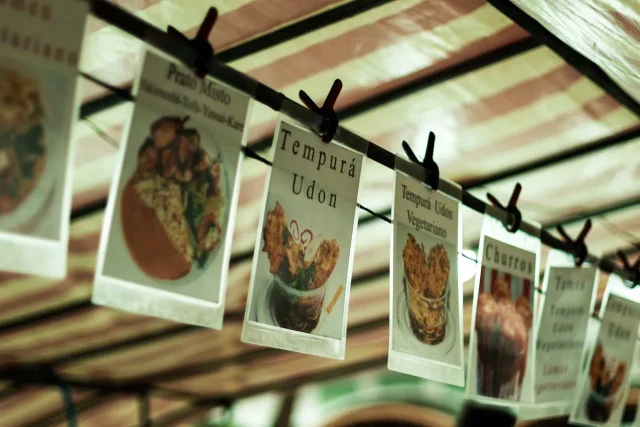
The Role of Simplicity in Pricing Strategy
Complex pricing structures can create hesitation. When guests feel they need to do mental math or compare too many options, decision fatigue sets in. This often leads to safer, lower-priced choices or dissatisfaction after ordering.
Simplicity does not mean limited options. It means clarity. Prices that feel straightforward allow guests to focus on enjoyment rather than analysis. Clear categories, consistent price ranges, and logical progression all support a positive dining experience.
Simplicity also benefits staff, making it easier to explain dishes and answer questions confidently.
Trust as the Foundation of Pricing Psychology
At its core, pricing psychology is about trust. Guests want to feel that they are being treated fairly and honestly. Hidden fees, confusing surcharges, or inconsistent pricing can quickly erode that trust.
Transparent pricing builds long-term loyalty. When guests know what to expect and feel respected, they are more likely to return and recommend the restaurant to others. Trust also gives restaurants flexibility, allowing them to introduce premium offerings or seasonal changes without backlash.
Consistency plays a major role here. Prices that change too frequently or without explanation can make guests uneasy, even if the changes are justified.
Adapting Pricing Over Time Without Alienating Guests
No restaurant operates in a static environment. Costs change, markets shift, and customer expectations evolve. The challenge is adjusting prices in a way that feels natural rather than abrupt.
Gradual changes paired with clear communication help guests understand why adjustments are necessary. Improvements in quality, service, or ambiance also soften the impact of price increases by reinforcing value.
Restaurants that view pricing as a long-term relationship with their customers, rather than a short-term tactic, tend to navigate these transitions more successfully.
The Long-Term Impact of Thoughtful Pricing
Pricing decisions ripple outward over time. They affect revenue, brand perception, staff morale, and customer loyalty. A well-designed pricing strategy supports sustainable growth rather than quick wins.
Thoughtful pricing also empowers staff. When employees believe in the value of what they are selling, they communicate that confidence to guests. This creates a positive feedback loop where everyone benefits.
In the long run, pricing psychology becomes less about manipulation and more about aligning what the restaurant offers with what guests truly value.
Understanding People as Much as Numbers
The art and science of restaurant pricing psychology lie in understanding people as much as numbers. Successful pricing respects emotions, leverages human perception, and reinforces trust at every touchpoint. It balances creativity with analysis, intuition with data, and profitability with fairness. When pricing is approached thoughtfully, it becomes an invisible guide that enhances the dining experience rather than distracting from it. Guests feel comfortable, valued, and confident in their choices. For restaurant owners, this translates into stronger relationships, healthier margins, and a brand that resonates beyond the menu.
One of our clients
simple messaging and clutter-free pricing
HAVE QUESTIONS? ASK US | VIEW SERVICES | ABOUT
For deeper consulting solutions beyond the setup and launch of a restaurant, visit A2Zbusiness.consulting.
Click for digital marketing, website development, or platform tools
Visit the YouTube Channel, or learn how to get A+ from the Health Department.